
Resources for Parents, Guardians and Caregivers
The Stigma-Free Mental Health Society recognizes how difficult it can be for parents who are worried about their youth’s mental health. Look no further! In this section, parent(s) will find conversation cards that they can use to talk to their youth about mental wellbeing. They will also find a comprehensive Parent Resource Guide on how to get your youth help when they need it most.
The Stigma-Free Mental Health Society has gathered videos and links that will help parents support their child’s mental health. It is always best to check in with youth first thing in the morning to ensure that they are feeling mentally well because having their mental health in check is imperative to tackle the rest of the day’s tasks.
Caring For Yourself While Caring for Your Child’s Mental Health:
A Guide to Resilience and Effective Communication
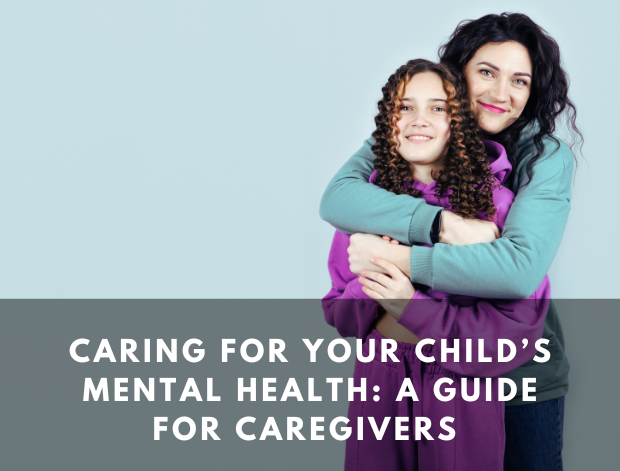
This manual is designed to help you maintain your own mental well-being while supporting someone facing mental health challenges. Although many strategies focus on parents, guardians, and caregivers of youth, they can be easily adapted for any caregiving situation. Inside, you’ll find practical tips and printable activities to help you build resilience and communicate more effectively with the person in your care.
Please click HERE or click the image below, to view and download a copy.


Please CLICK HERE for printable version.
Please CLICK HERE for printable version.

Please CLICK HERE for printable version.


Please click the image above to see the list of the Mental Health apps for Kids & Teens. Or CLICK HERE to download it.

The All IN Peer Support for Families Workshops are designed to offer support for you as you journey on the path of recovery for your family and you.


Are you looking for help or information about mental health support and services for your child, youth or young adult? FamilySmart helps children and young people by helping their family and other caring adults. We know children and young people do better when the adults who care about them are supported.
Please check out the various resources we have available for your use.
Events
Monthly, we host online events for parenting a child/youth with a mental health and/or substance use challenge called “in the know.” We watch a video & share experiences & strategies that help in the hard moments & focus on strengthening our understanding & connection with our kids.
Workshops
It’s really tough to go through hard stuff with a child/youth who is struggling with their mental health & they end up in crisis & we want to help. We know what it’s like, we’ve been there. Help for the Hard Times workshops are hosted online and facilitated by parents with lived experience.
Videos
FamilySmart videos for families and caregivers on mental health and/or substance use topics. We share experiences and strategies that help in life’s hardest moments and focus on strengthening our understanding and connection with our kids. Watch an ‘in the know’ video from our library.

The Parent Support Hub is brought to users by Drug Free Kids Canada. This service offers free, 24/7 access to care representatives who provide support, guidance, and resources for parents concerned about their child’s substance use. Whether you’re looking to help your child address or recover from substance use, or need support yourself, this service connects you with relevant information, proposes tailored action plans, and refers you to mental health professionals for immediate or scheduled short-term counselling—either individually or with your child—all at no cost.
Mental Wealth with Dr. Shimi Kang
“This channel will help you invest in your most powerful asset – your mind! You will learn the latest science of mental wellbeing, relationships, leadership, peak performance, and more! In each episode, Dr. Kang provides her favorite research-based “prescriptions” that can be immediately applied for better health, passion, purpose, and joy in your life.”
Visit Dr. Shimi Kang’s YouTube Channel.

Dr. Shimi Kang is also the Co-Founder of Future Ready Minds, one of Stigma-Free Mental Health Society’s partner organizations.
“Created by award-winning psychiatrist Dr. Shimi Kang, Dolphin Kids™ Achievement Programs develop the mindset and life skills that help you achieve your dreams. We provide social, emotional and cognitive learning for children, parents, and educators.”
Visit their website HERE.
Conversation Cards about Mental Health for Parents and Youth
Below you’ll find our “Conversation Cards” to help you kick-start your conversation with your youth about mental health.
1. Simply look at a card and read the question on the front.
2. The other person offers a response.
3. Then discuss the answer together.
Mental Health Conversation Cards
What is mental health?
Mental health is part of our emotional, psychological, and social well-being. We all have mental health. Our mental health affects how we think, feel, and behave. It also helps us figure out how we deal with stress, interact with others, and make all kinds of choices. Mental health is important during your whole life.
What is mental illness?
A mental illness is a real health problem that affects the brain. It changes the way you think, feel and behave. Absolutely anyone can have a mental illness. 1 in 4 Canadians will experience some type of mental illness.
What is stigma?
Stigmas are a set of negative judgments that a community or group of people have about a particular situation, characteristic, or person. For example, someone can feel stigma because of their mental illness, ethnicity, gender, sexual orientation, diverse-abilities (aka disabilities) and much more.
What are the three types of stigma?
• Self-stigma: a negative belief you have about yourself. It can keep you from reaching out for help and support from family, friends, and/or professionals.
• Societal stigma: a negative belief that society has about a specific group of people, usually based on a stereotype (a general assumption).
• Structural stigma: rules that make it hard for people to achieve certain things based on negative beliefs about them.
• Societal stigma: a negative belief that society has about a specific group of people, usually based on a stereotype (a general assumption).
• Structural stigma: rules that make it hard for people to achieve certain things based on negative beliefs about them.
See More Cards
How can stigma be harmful?
Stigmas can be harmful because they create negative judgments about others because of certain characteristics about them, or simply because of who they are. These judgments can be very hurtful.
How can you help eliminate stigma in school?
You can help eliminate stigma in school by speaking out against stigma when you see it. Help educate your classmates about the unfairness of instant judgment of those who seem “different.” You can change how you refer to people with mental illnesses: for example, instead of saying “she’s bipolar” you can say “she has bipolar disorder”. If there is bullying going on, you can always contact a school counsellor or teacher.
How can you help eliminate stigma in life?
It is important to learn about mental illness. You can work to be aware of how you feel and act, which can be hard. You can look into your judgmental thoughts. Try to teach others as well as pass on facts and positive attitudes. Most of all, treat everyone with respect, and support your friends and those around you.
Is addiction a mental illness?
Addiction is a complicated mental illness that involves the physical, psychological, social, and spiritual parts of a person. It involves a bad relationship with a substance (ex. drugs or alcohol) or activity that is used by the person to make themselves feel better. Sometimes they use it to treat another mental illness.
Can you be addicted to something and have another mental illness at the same time?
Yes, you can. For example, it is very possible for someone to be addicted to alcohol and have depression. (In fact, the person might actually use alcohol to try to make their depression better, then the alcohol becomes a problem itself).
How can you help your friend with mental illness?
If you think your friend has a mental illness, talk to your friend and listen to them. If you feel that your friend is angry or agitated or is threatening to hurt them self or someone else, please talk to an adult immediately – either a parent or guardian, school counsellor, or teacher.
What is depression?
Depression is a mental illness and mood disorder. When you have depression, you experience a sad mood, low energy and fatigue, sleeping and eating too much or not enough, and sometimes thoughts about harming yourself or even death. Good news: depression can get better with therapy and/or medication.
What is anxiety?
Anxiety, or the Anxiety Disorders, are mental illnesses:
Anxiety comes up when we think that something bad is going to happen. You can feel anxiety in your body: you may feel your heart beat fast, or that you cannot breathe (you actually can breathe during anxiety). You may feel hot and sweaty, feel shaky, or feel nauseous. These sensations are signs that your body is getting ready to act: fight, flight, or freeze. They may not feel good, but they cannot hurt you.
Anxiety comes up when we think that something bad is going to happen. You can feel anxiety in your body: you may feel your heart beat fast, or that you cannot breathe (you actually can breathe during anxiety). You may feel hot and sweaty, feel shaky, or feel nauseous. These sensations are signs that your body is getting ready to act: fight, flight, or freeze. They may not feel good, but they cannot hurt you.
Why is it important we talk about mental health?
The first step to breaking the stigma of mental health is talking about it. Talking about it makes the topic normal and when we do, more and more people will start talking about it. When more people reach out for help, they are more likely to get better and get the support they need.
Which is more important, mental health or physical health?
Mental health is just as important as physical health. If we don’t take care of our mental health, our physical health will suffer, and the other way around.
How can we take care of our mental health?
Everyone takes care of their mental health in different ways. It is good to make sure you practice self-care, take breaks, and don’t push yourself too hard. It also helps to stay connected with friends and family so that you don’t feel alone. Use all the resources in this toolkit to take care of your mental wellbeing!
What do you do when you see one of your peers being bullied?
Bullying can be name-calling, saying mean things about people behind their backs, hitting others, and more. When you notice bullying happening to someone you know, make sure not to become the bully yourself. Choose to say “I don’t think that is very nice, and I’m not going to participate in that.” When you can, stand up for your friends. It can be very hard to stand up for yourself when it feels like the world is against you.
* These Conversation Cards were created by Dr. Dana Wasserman, Registered Psychologist, Vancouver, British Columbia, Canada.
Helpful Links
- Mental Wellbeing Education and Resources – Government of BC
- Anxiety Canada
- Foundry – Supporting a Family Member
- Child & Youth Mental Health Unit in Your Area
- Kids Help Phone (Resources for Caring Adults)
- Kelty Mental Health (Parents and Caregivers)
- Youthspace.ca (Supporting Others)
- Divisions of Family Practice
- Parent Handbook on Inclusive Education
- Panic Attack Support: Anxiety Canada, Child and Teen Panic Disorder
- Depression in Children and Teens: HealthLinkBC
- A Kid’s Guide to Overcoming Anxiety. Written by Dawn Huebner, Ph.D
Videos for Parents, Guardians and Caregivers
Partners

Diamond Foundation

ZLC Financial
Visit Website
Coast Capital Savings
Visit Website
Grant Thornton Foundation
Visit Website
United Way of the Lower Mainland
Visit Website

Autism BC
Visit Website
RISE
Visit Website
YMCA/YWCA of Vancouver Island
Visit Website
Pathways Clubhouse
Visit Website
Youthspace.ca
Visit Website
Need2: Suicide Prevention Education & Support
Visit Website
Tell My Story Challenge Foundation
Visit Website
We Matter
Visit Website
Victoria Youth Empowerment Society
Visit Website
Dash BC
Visit Website
Island Health
Visit Website
Face of Today Foundation
Visit Website
Rumie
Visit Website
Dalai Lama Center for Peace and Education
Visit Website
Heart-Mind Online
Visit Website
Together We Can
Visit Website
Thomas Sill Foundation
Visit Website
Segal Family Foundation
Visit Website
The McLean Foundation
Visit Website
Cloud Reach Inc
Visit Website
Surrey Cares Foundation
Visit Website
WCPD Foundation
Visit Website
Lohn Foundation
Visit Website
CINS
Visit Website


Get Social




Copyright © Stigma Free Mental Health. Click here to visit our website.